Learning, improving and expanding access to cleaner cooking.
Gastro’s journey has been shaped by real customers, everyday cooking needs and the challenge of keeping cleaner fuel within reach. Each stage has helped us understand how cleaner cooking can work better in practice.
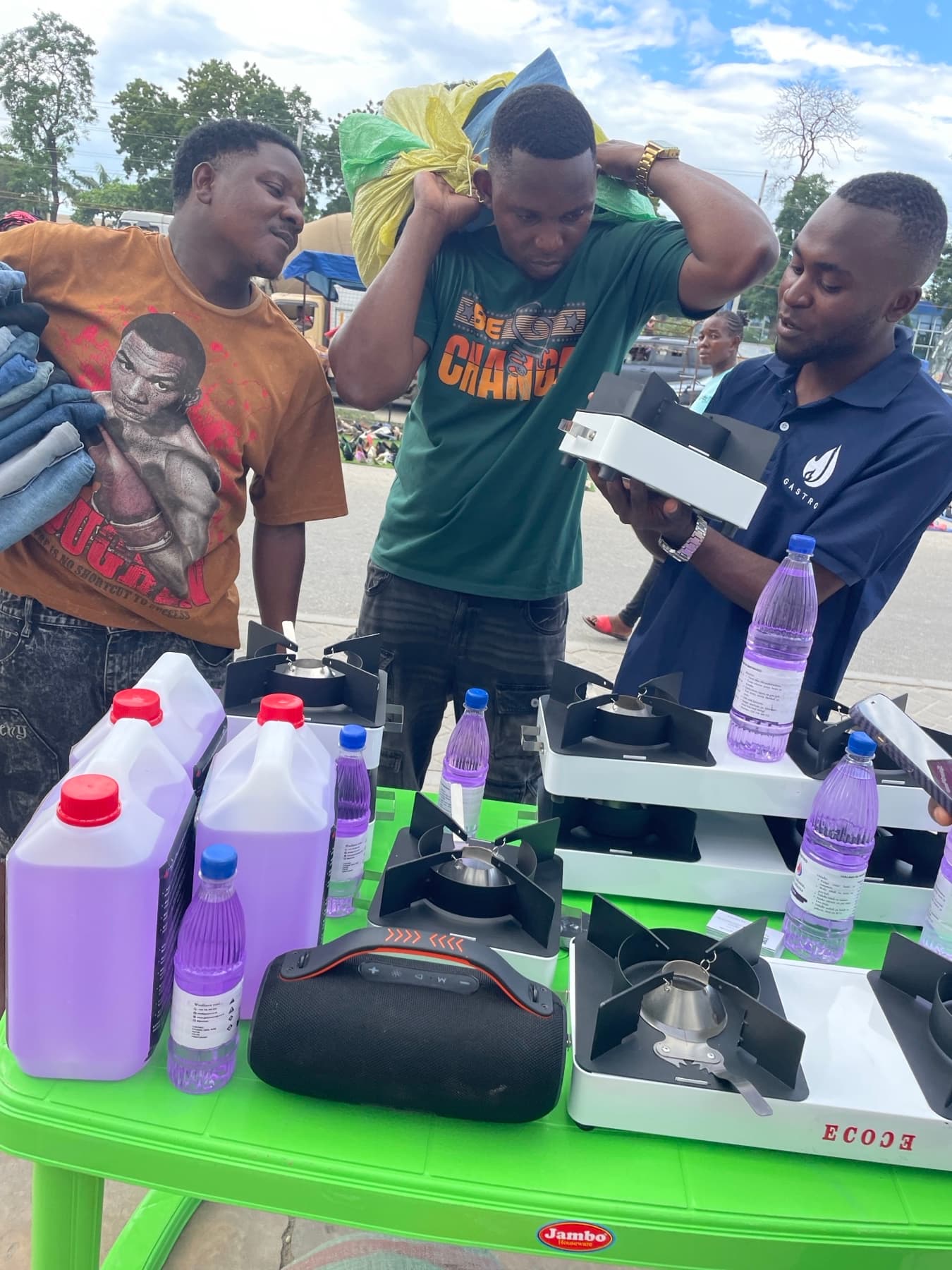
Built through practical experience.
These figures reflect Gastro’s product distribution, ethanol supply and growing local presence.
4,000+
Cookstoves sold
15,000+
Litres of ethanol supplied
6
Regions reached
10+
Sales and retail agents in Dar es Salaam
A stove shaped by how people actually cook.
Gastro’s earlier stove models allowed us to learn directly from customer use, product demonstrations and everyday cooking practices. Those lessons have informed an improved model designed to better fit the needs of the customers we serve.
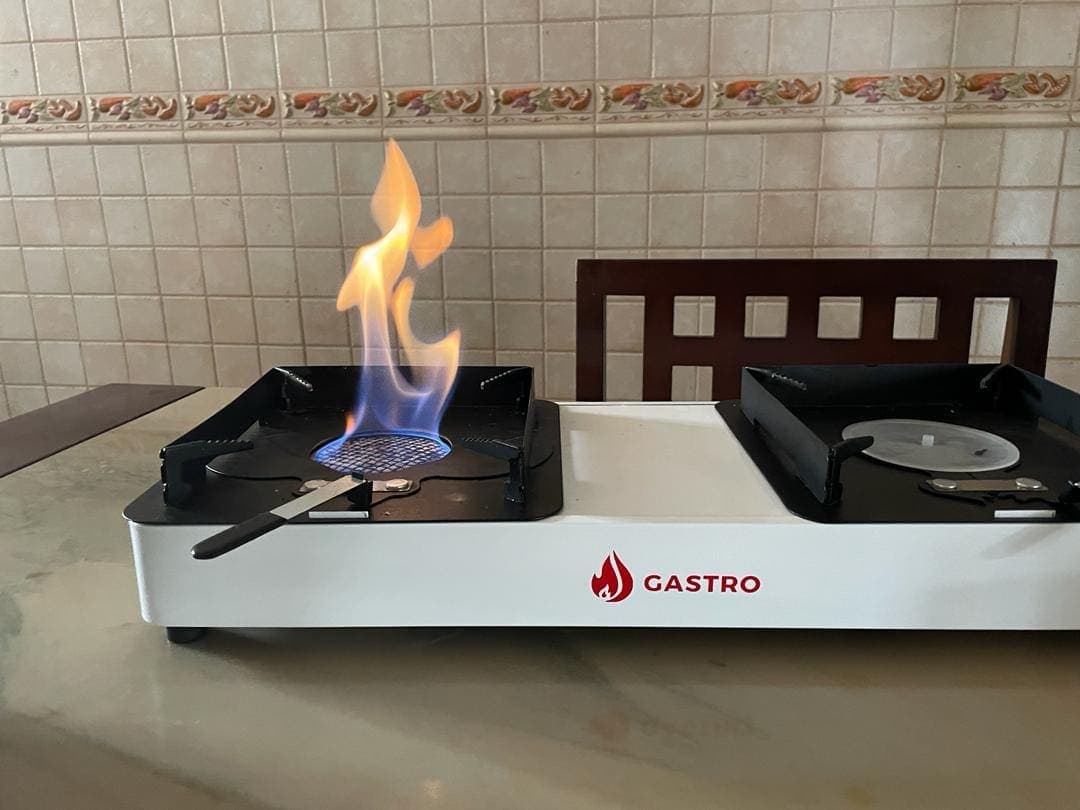
Earlier Gastro model
The models that supported our early market experience and customer learning.
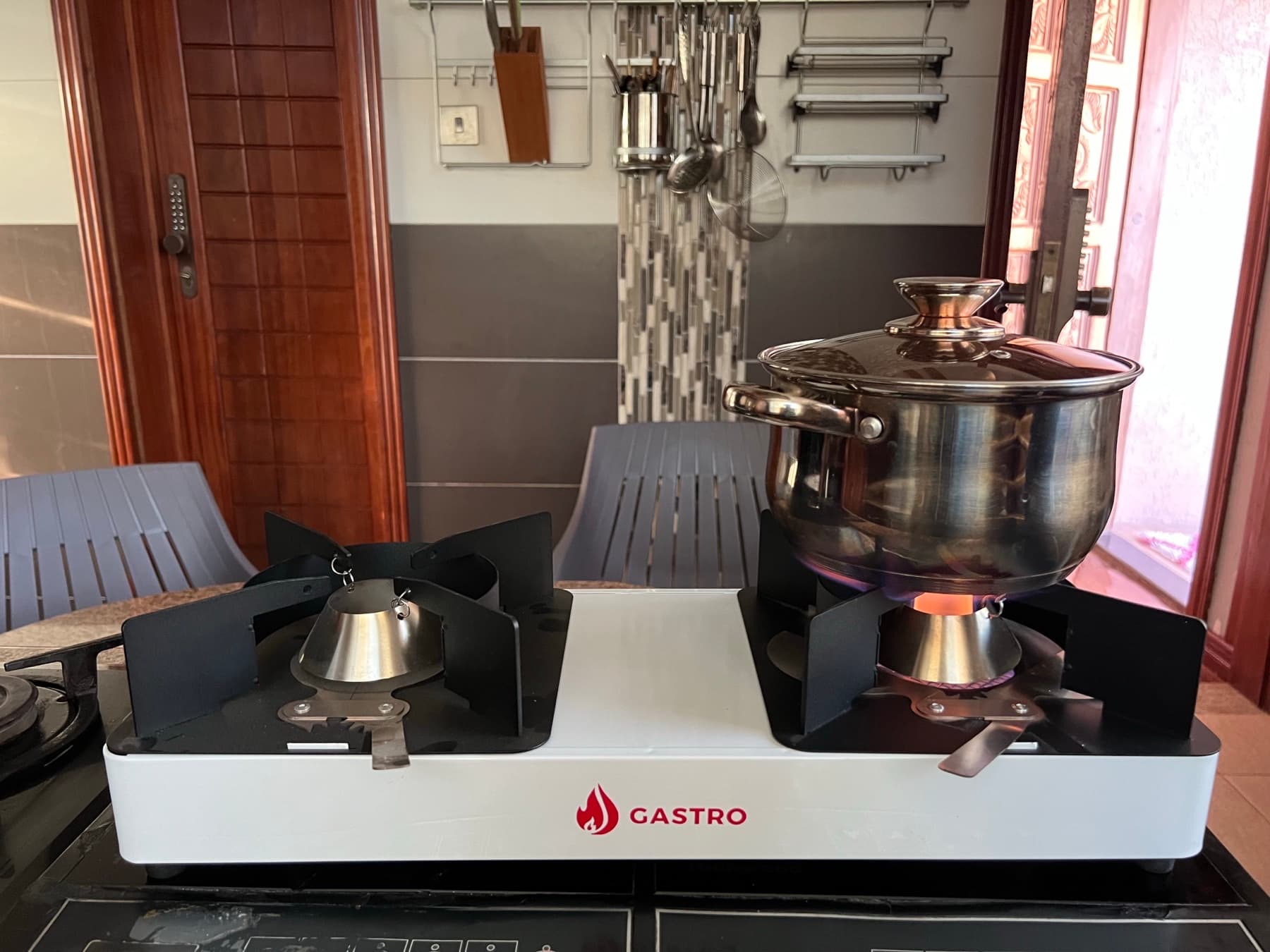
Improved Gastro model
The next stage of a product shaped by practical experience and local use.
This reflects how Gastro works: introduce, listen, learn and improve.
Continued use depends on continued access.
A cleaner stove can become part of everyday life only when customers can continue to obtain its fuel conveniently and reliably.
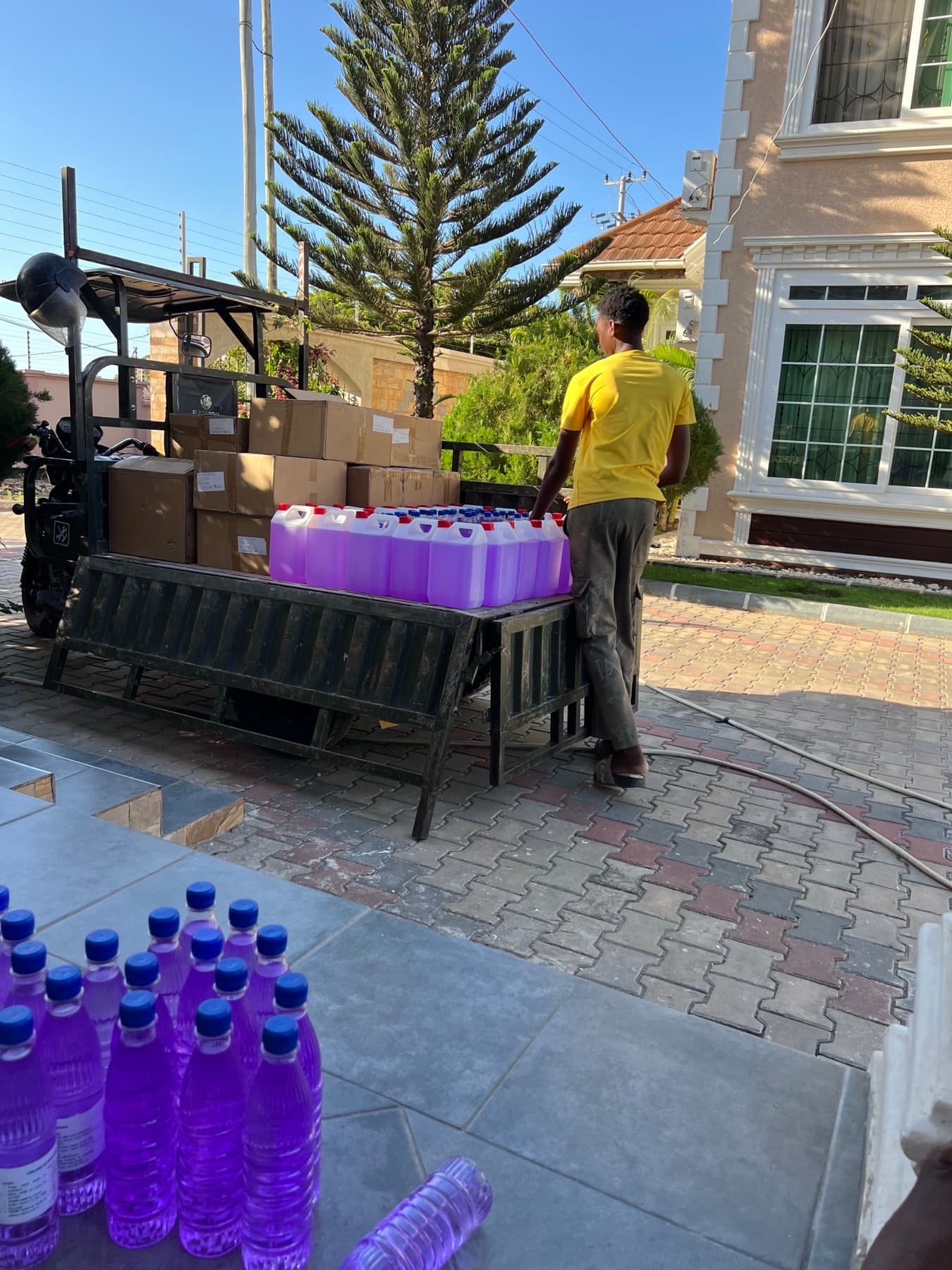
Gastro prioritizes last-mile distribution by combining customer demonstrations, local sales channels and ethanol supply in quantities suited to different purchasing needs. Availability varies by location as the network continues to grow.
Gastro has reached customers across six regions in Tanzania while continuing to develop its local distribution network.
Practical products
Cookstoves informed by real customer experience.
Local access
Agents, retailers and direct channels closer to customers.
Continued fuel supply
Ethanol available in quantities suited to different purchasing needs.

The clean-cooking transition is about more than changing a stove.
For many households, cooking energy carries costs that extend beyond the kitchen. Traditional fuel use can involve smoke exposure, time spent obtaining fuel and the physical work of transporting it.
Cleaner alternatives must reduce these burdens while remaining practical, affordable and consistently available. Gastro’s journey continues to be shaped by that challenge—from improving the stove itself to strengthening the local systems that keep fuel within reach.